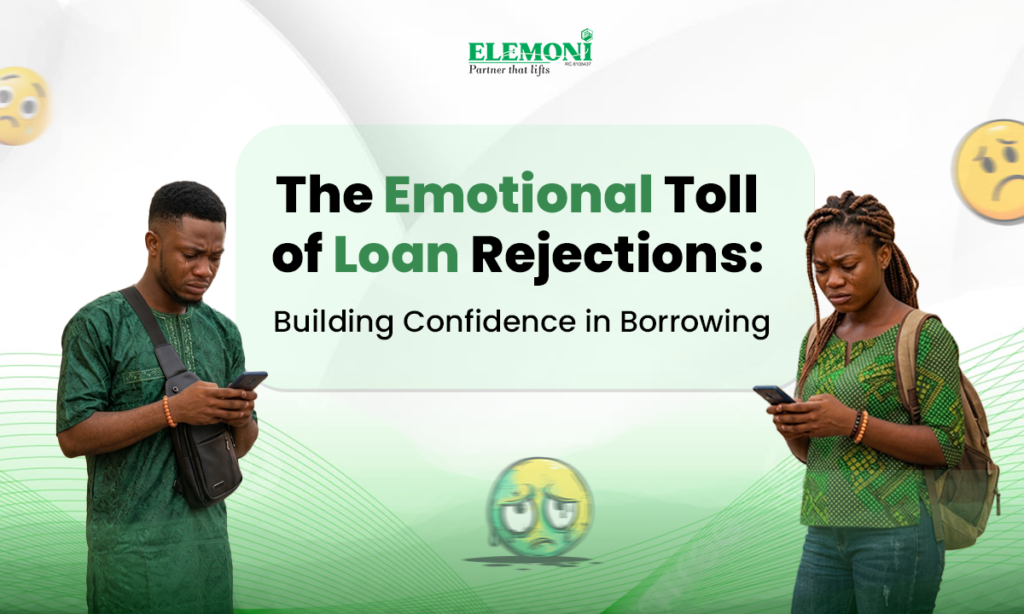
There’s hardly anything as heartbreaking as getting that email or message that says, “Your loan application has been declined.” Especially when you needed that money for something urgent, maybe a hospital bill, rent that is due tomorrow, a business you’re desperately trying to save, or even school fees for your child. It feels like someone just pulled the floor from under your feet.
The first reaction for many is shocked, then frustration, and eventually shame. You start asking yourself: “Am I not good enough? Did I do something wrong? Why does it feel like the system is working against me?” The truth is, a loan rejection doesn’t just hurt your pocket, it pierces your emotions.
Why Loan Rejections Hit So Hard
Money is emotional. It’s not just paper or digits in a bank account; it represents survival, dignity, and opportunity. When you apply for a loan, you’re not just filling out forms, you’re putting your hope on the line. A rejection feels like rejection of you as a person. And that’s why it can drain your confidence.
For many people, a rejected loan application stirs up feelings of embarrassment. You don’t want to tell anyone about it, so you carry the weight in silence. Some even stop trying, believing they’ll never qualify again. This is where the real danger lies, when rejection turns into self-doubt.
What Really Causes Loan Rejections
Understanding why loans get declined can take away some of the sting. It’s not always about you and here are some common reasons:
Credit history issues: Missed payments or too much debt can make lenders cautious.
Incomplete documents: Sometimes, small mistakes in paperwork can cause rejections.
Unstable income: If your income isn’t steady, lenders worry about repayment.
High debt-to-income ratio: If most of your income already goes into debt, new loans may be turned down.
Knowing this helps you see that a rejection is not a final judgment on your worth. it’s often just a mismatch between requirements and your current financial picture.
Rebuilding Your Confidence After a Loan Rejection
The hardest part of a loan rejection is what it does to your self-esteem. But here’s the good news: you can bounce back stronger.
Pause and breathe: Remind yourself that rejection is not permanent. Countless people have been turned down before eventually securing better loans.
Check your credit health: Pull out your credit report and see what’s holding you back. Fixing small issues can change everything.
Seek advice: Talk to financial advisors, or even your bank, to understand what you need to improve.
Explore alternatives: Sometimes, microloans, cooperative societies, or community savings groups can bridge the gap while you build eligibility for bigger loans.
Stay disciplined: Paying bills on time, reducing debts, and keeping good records slowly builds a stronger financial image.
Turning Rejection into Motivation
Instead of letting rejection crush you, use it as a wake-up call. Think of it as life saying: “Get your house in order, so you can be ready for bigger opportunities.” The truth is; one “no” today can lead to a stronger “yes” tomorrow, if you don’t give up.
Remember, financial confidence doesn’t come from never being rejected, it comes from learning how to rise again after rejection. Every great borrower started from somewhere. The secret is not allowing that “declined” message to define your future.


 Calculating read time... ·